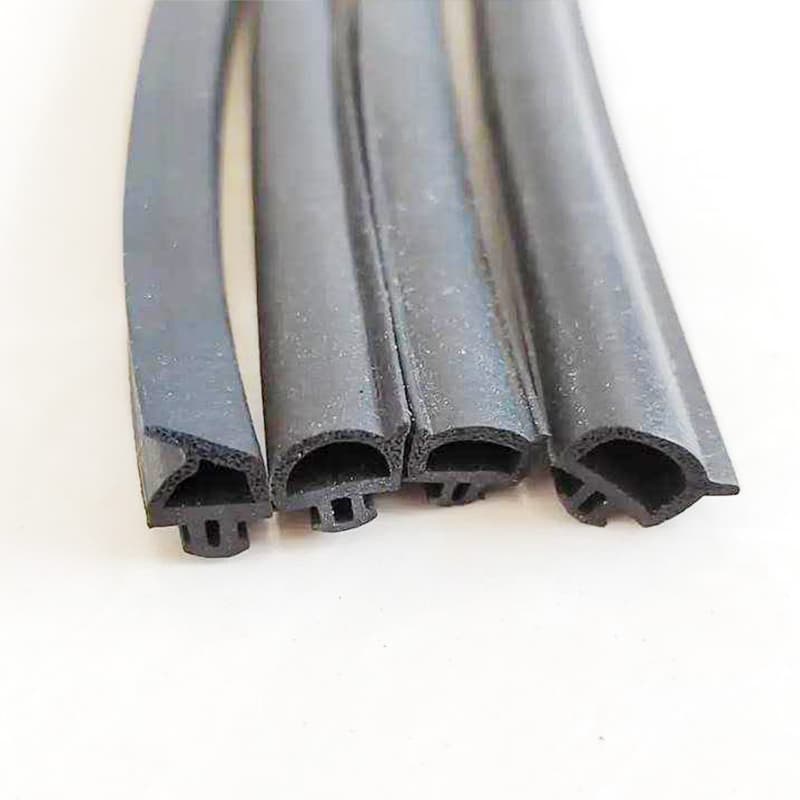
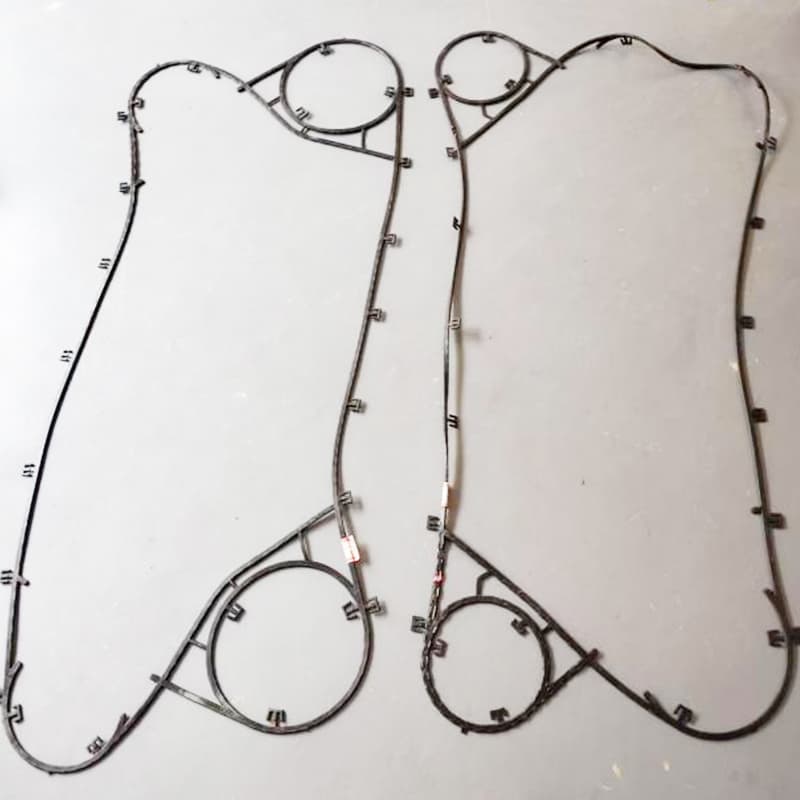
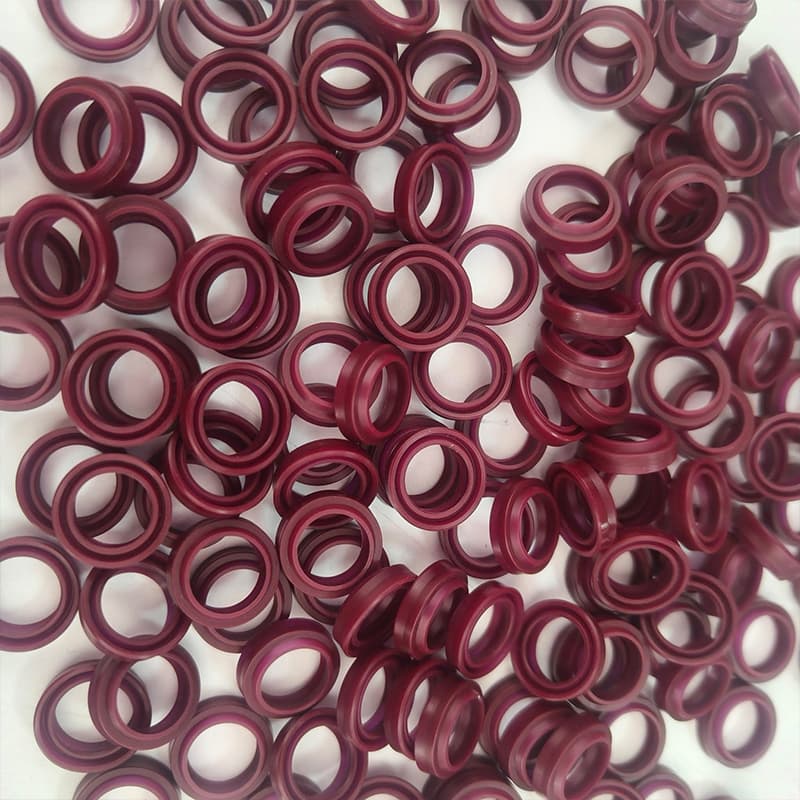
Gasket for Plate Heat Exchanger
Category
Sub-Category
Completed orders
Price
Delivery Cost
Minimum Order
Location
The sealing gasket in plate heat exchangers primarily serves to seal between hot and cold media.
1. Possesses excellent elasticity and compression recovery, tightly conforming to the sealing groove of the plate after compression to block medium leakage and accommodate pressure demands under various operating conditions.
2. Withstands temperatures ranging from -50°C to 200°C or broader depending on material composition, adapting to thermal fluctuations during hot/cold medium exchange without brittleness or softening.
3. Resists swelling and aging from common heat transfer media like water, oil, and acid/alkali solutions. Does not react chemically with media, maintaining stable performance.
4. Resists tearing, abrasion, and compression set. Maintains original shape and sealing performance after prolonged exposure to plate compression and media erosion, extending service life.
5. Manufactured with high precision and low thermal expansion coefficient. Minimizes deformation post-installation, ensuring accurate fit with plate sealing grooves and simplifying installation.
6. Available in nitrile rubber, EPDM rubber, and fluorocarbon rubber.
Plate Heat Exchanger Gaskets are critical sealing components that ensure the safe, efficient, and stable operation of plate heat exchanger systems. Installed along the plate edges and port areas, they create precise flow channels, prevent leakage and cross-contamination, and maintain consistent pressure and heat transfer efficiency during operation.
For more details please visit www.hongcanglobal.com
 Company Rating

Overall Rating
Description Rating
Delivery time
Contact
Professionalism
You may like this
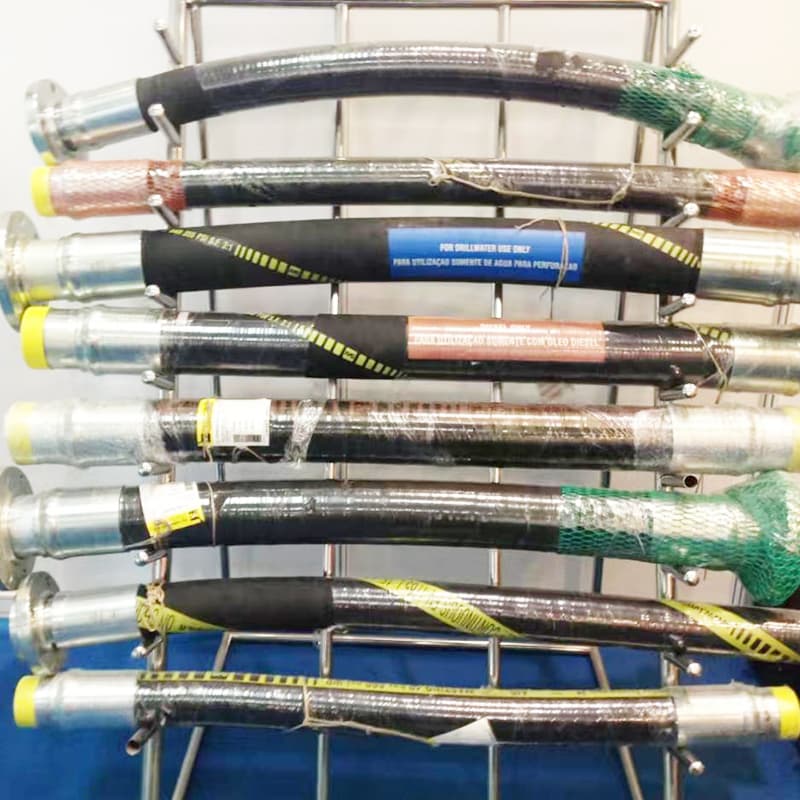
Rubber High-Pressure Oil Hose
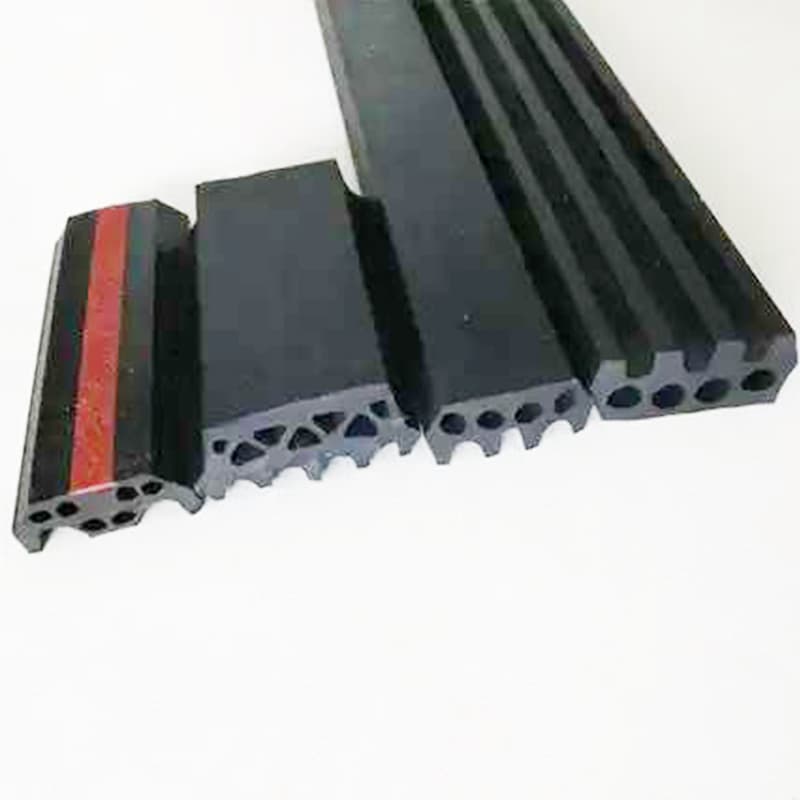
Sealing Gasket for Shield Tunnel Segments
NBR (Nitrile) Standard O-Ring for Hydraulic Systems