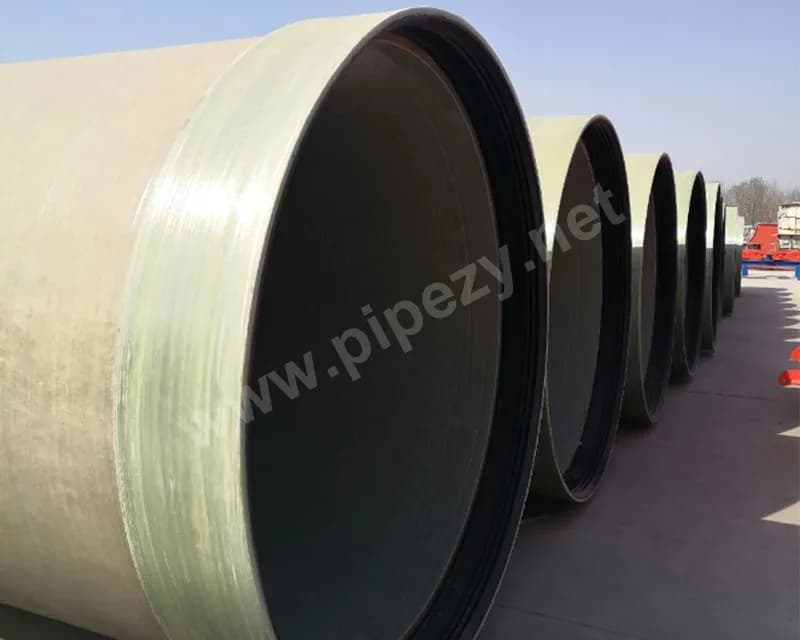
FRP Mortar Pipe
Category
Sub-Category
Completed orders
Price
Delivery Cost
Minimum Order
Location
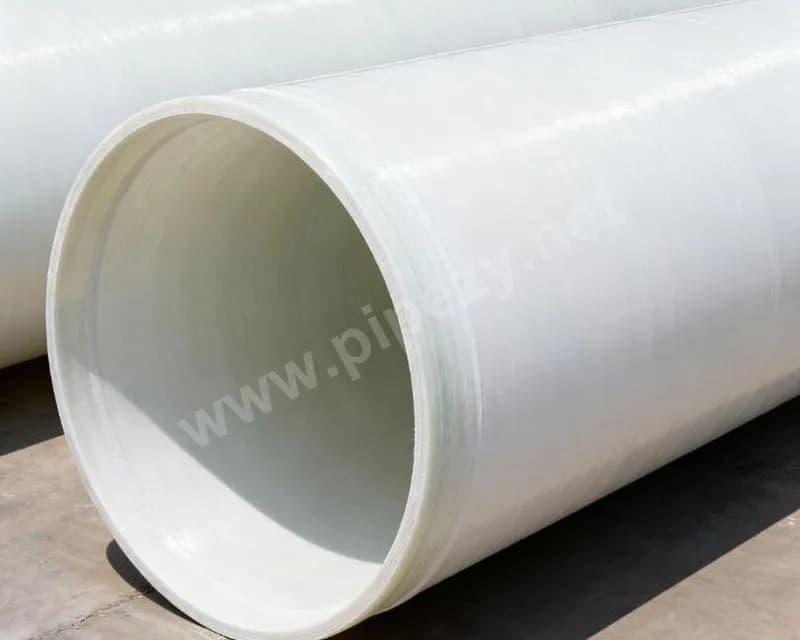
Quartz sand as a reinforcing material into the structural layer, based on FRP wound pipes . Their structure typically consists of: an inner lining (resin-rich layer for corrosion and seepage prevention) → a structural layer (glass fiber for strength) → a sand-filled layer (resin + quartz sand for rigidity and cost reduction) → an outer protective layer (anti-aging and anti-corrosion).
Characteristics of FRP Mortar Pipe
The design of fiberglass reinforced plastic (FRP) sand-filled pipes cleverly combines the advantages of multiple materials, giving them the following outstanding characteristics:
1. Extremely high stiffness and resistance to external pressure
Core Purpose : The main function of the sand-filled layer is to significantly improve the ring stiffness of the pipeline . After the quartz sand is mixed with resin, a hard "composite mortar" layer is formed, which enables the pipeline to effectively resist the huge external pressure of soil load, ground live load (such as vehicles) and groundwater, preventing the pipeline from deforming and flattening.
High design flexibility : By adjusting the thickness of the sand layer, FRP Mortar Pipes with different stiffness grades (such as SN5000, SN10000) can be flexibly produced to meet the requirements of different burial depths and geological conditions.
2. Excellent corrosion resistance
FRP Pipe inherits all the corrosion-resistant advantages of fiberglass pipes. The inner lining consists of a high resin content and a surface felt, providing an excellent barrier against corrosion and seepage.
Application value : It can be directly buried in corrosive soil without additional anti-corrosion treatment. When used to transport corrosive media such as sewage, rainwater, and greywater, its service life far exceeds that of concrete pipes and cast iron pipes.
 Company Rating

Overall Rating
Description Rating
Delivery time
Contact
Professionalism
You may like this
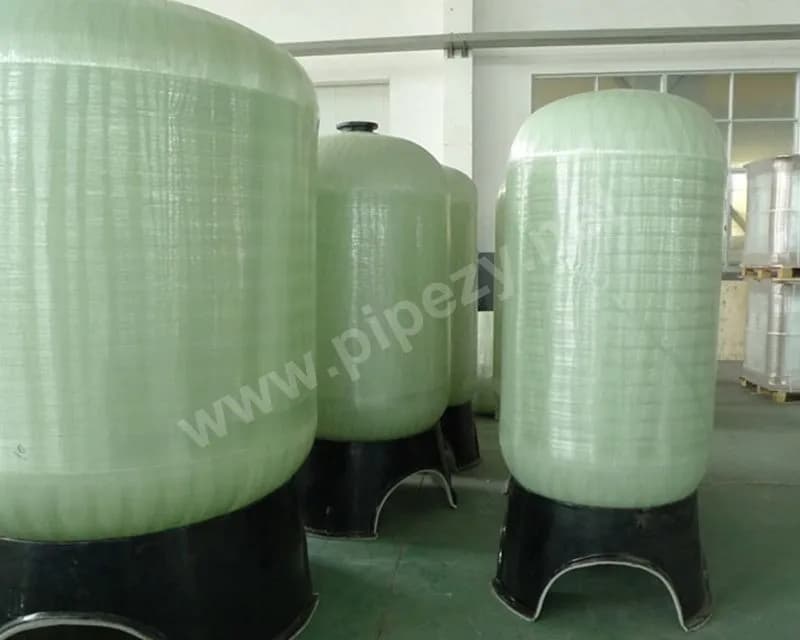
FRP Pressure Tank
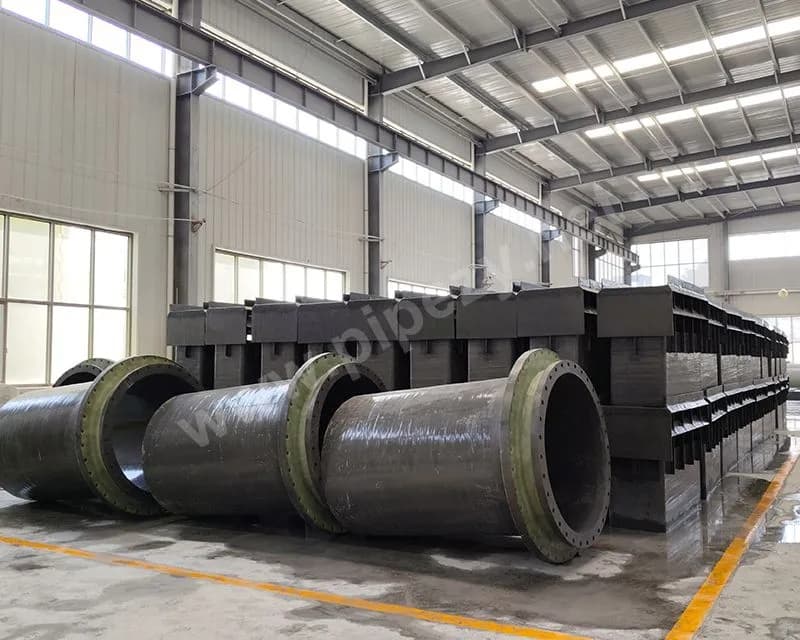
Fiberglass Flanges
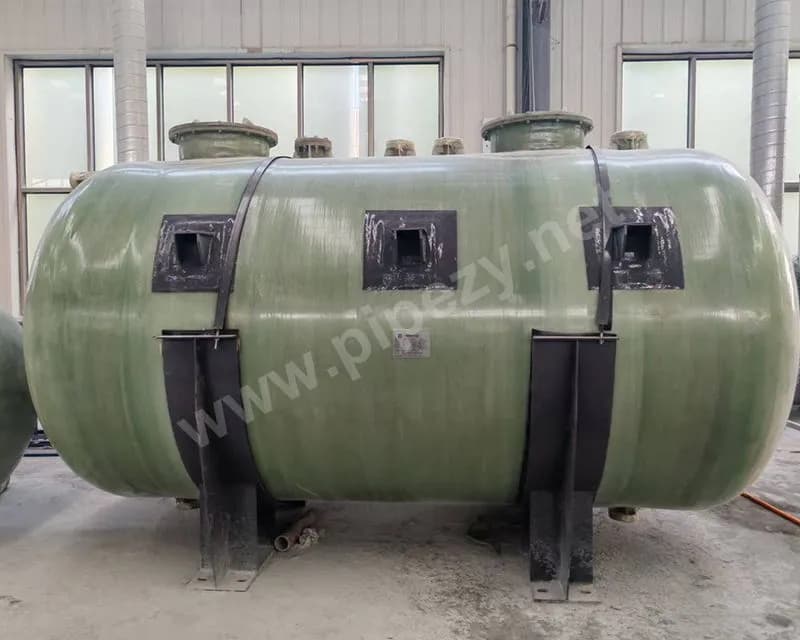
Horizontal FRP Vessel