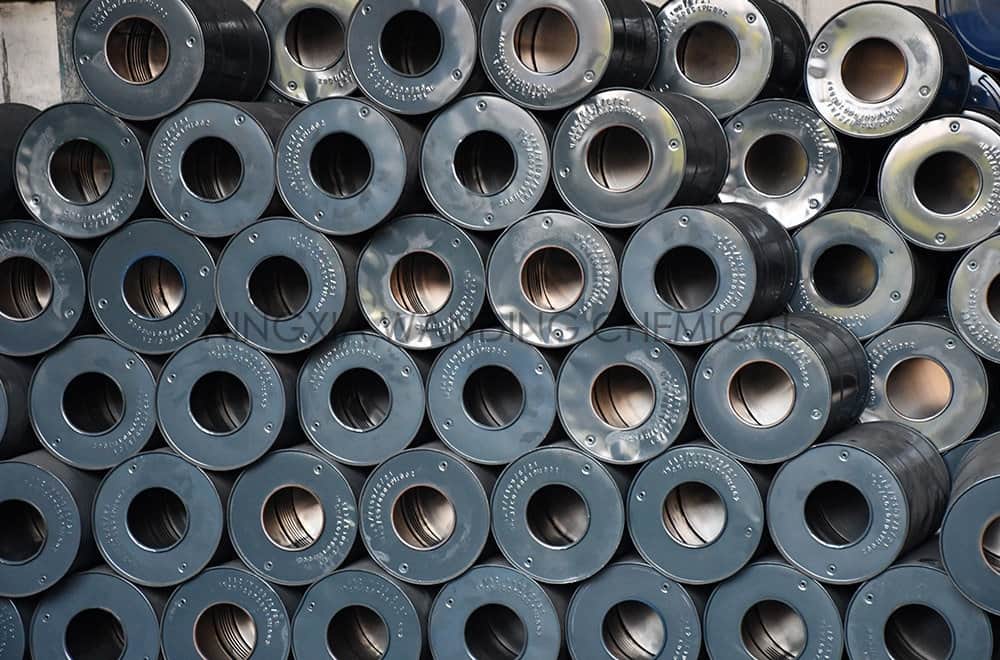
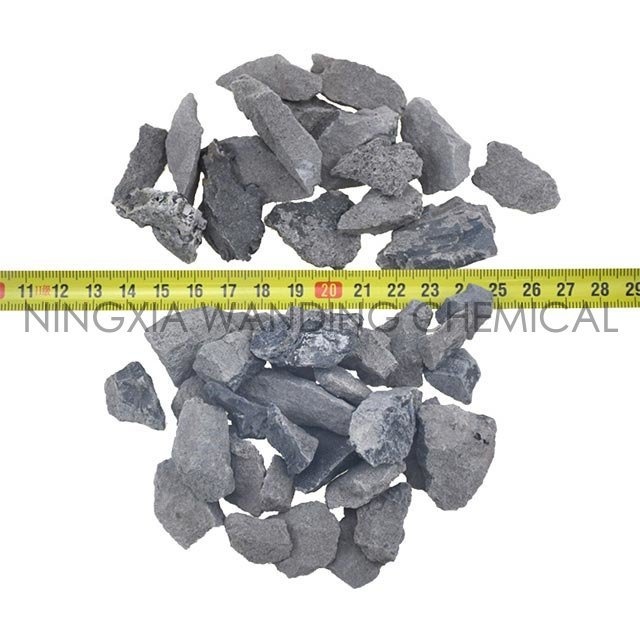
Calcium Carbide 15-25 MM
Category
Sub-Category
Completed orders
Price
Delivery Cost
Minimum Order
Location
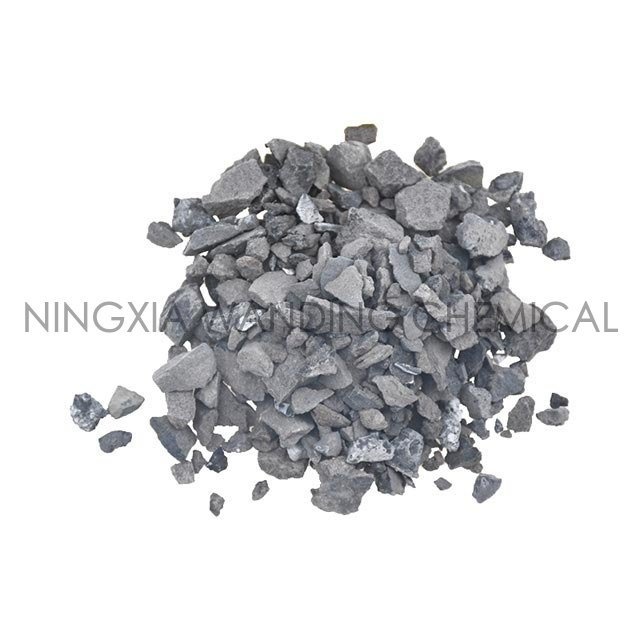
Calcium Carbide Stones are a primary and unprocessed bulk form of Calcium Carbide, typically ranging in size from 15mm to 25mm. They are produced directly in an electric arc furnace at extreme temperatures (~2,200°C) from a mixture of lime and coke. This lump form is the foundational product from which other forms like granules or powder are derived, and it is primarily used in large-scale industrial applications such as acetylene generation for gas welding/cutting and as a desulfurizing agent in steelmaking. Wanding provides this high-quality, industrial-grade product to meet robust industrial demands.
Shape: white crystals, black lumps, purple or gray cross-section for industrial products
Available particle size: 1-4mm, 4-7mm, 7-15mm, 15-25mm, 25-50mm, 50-80mm, 80-120mm.
Gas production: 210L/KG, 230L/KG, 260L/KG, 295L/KG, depending on the size of the particles.
Physicochemical Properties: The solid of the ore is brown or black solid, the pure product is white crystal (containing CaC2 is purple). Density 2.22g/cm3, melting point 2300℃ (with CaC2 content), immediately react violently with water to generate acetylene and release heat, calcium carbide content of different melting point will also change.
Calcium Carbide Stones Applications
Mainly used in the production of acetylene gas. Also used in organic synthesis, oxyacetylene welding. Calcium carbide reacts with water to generate acetylene can be used to synthesize many organic compounds, such as synthetic rubber, synthetic resins, acetone, vinyl ketone, carbon black and so on. Calcium carbide powder and nitrogen heating, the reaction generated calcium cyanamide, that is, lime nitrogen, cyanide salt and lime nitrogen heating and melting reaction, used in gold mining and non-ferrous metal industry. Tourmaline itself can be used as a desulfurizer in the iron and steel industry. Produces polyvinyl chloride.
 Company Rating

Overall Rating
Description Rating
Delivery time
Contact
Professionalism
You may like this
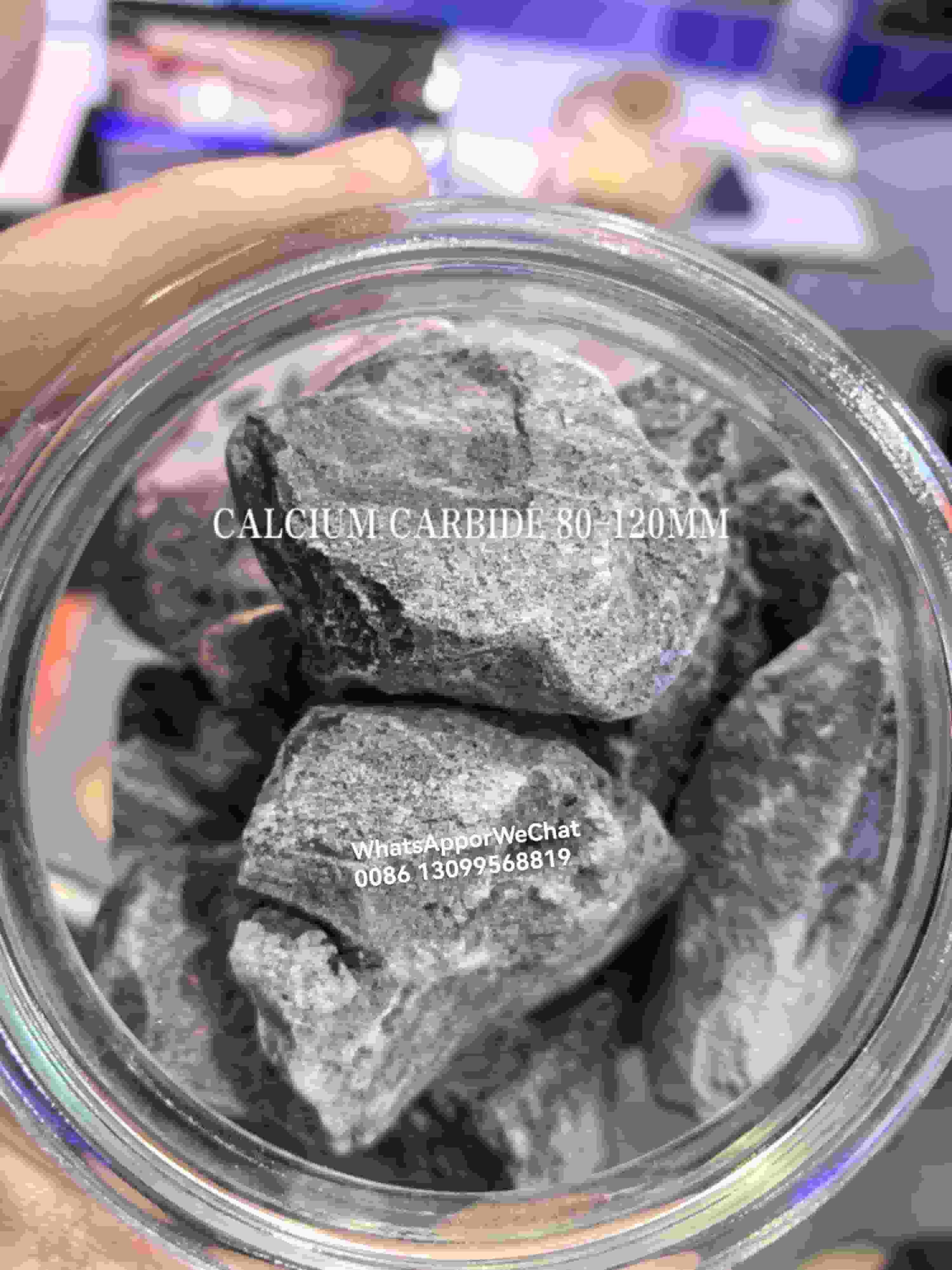
Calcium Carbide Granules
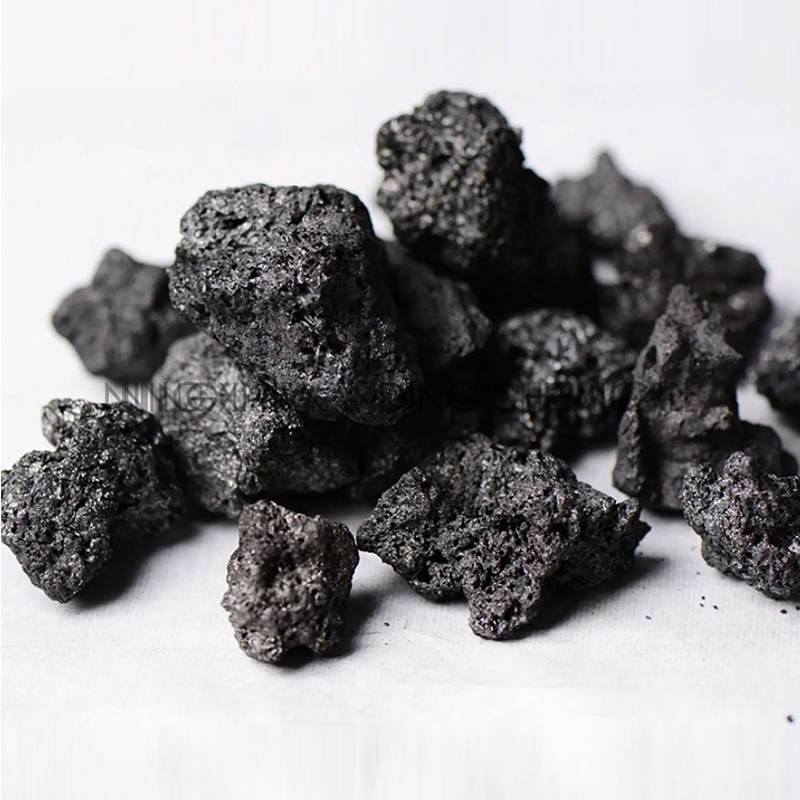
Calcined Petroleum Coke
Carbide Acetylene 7-15 MM